

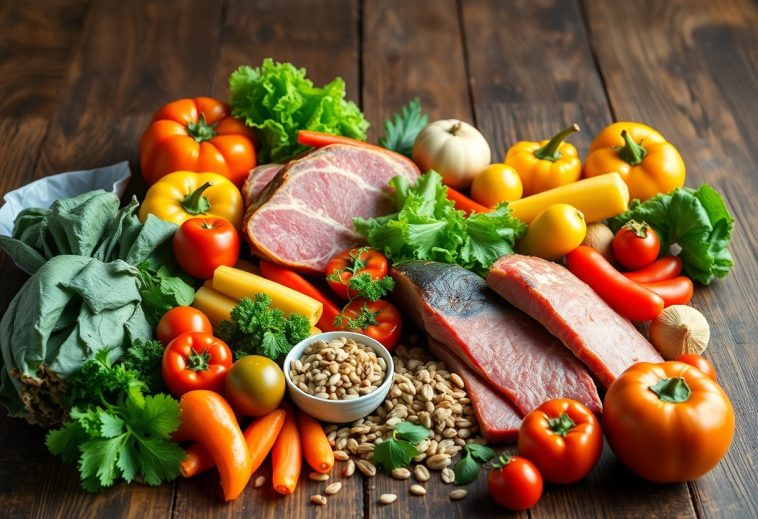
You want to lose weight while feeling energized, and following the Paleo diet can be a powerful tool to achieve your goals. By focusing on whole, unprocessed foods like lean meats, fresh fruits and vegetables, and healthy fats, you can fuel your body effectively. Avoiding grains, legumes, and refined sugars allows your body to thrive and promotes sustainable weight loss. In this post, we’ll explore the best Paleo foods that not only support your weight loss journey but also enhance your overall vitality.
Key Takeaways:
- Lean Proteins: Incorporate sources like chicken, turkey, fish, and grass-fed meats to boost metabolism and maintain muscle mass.
- Healthy Fats: Focus on avocados, nuts, seeds, and olive oil for sustained energy and improved satiety.
- Fruits and Vegetables: Prioritize a variety of colorful, non-starchy vegetables and low-sugar fruits to provide imperative nutrients and fiber.
- Whole Foods: Choose whole, unprocessed foods to avoid additives and stabilize blood sugar levels.
- Fermented Foods: Include options like sauerkraut, kimchi, and kombucha to enhance gut health and digestion.
- Hydration: Stay hydrated with water and herbal teas to support metabolism and energy levels.
- Meal Timing: Plan meals and snacks to prevent overeating and maintain energy throughout the day.
Understanding the Paleo Diet
To fully embrace the Paleo diet, you must recognize its foundation, which is based on the premise that you should eat like our ancestors did. This means focusing on whole, unprocessed foods that were available in the Paleolithic era, such as lean meats, fish, fruits, vegetables, nuts, and seeds, while avoiding modern agricultural products like grains, dairy, and refined sugars. By adopting this lifestyle, you not only align your eating habits with nature’s offerings but also pave the way for improved health and vitality.
Principles of the Paleo Diet
Diet follows a simple philosophy: consume whole foods that your ancestors would have eaten while eliminating processed options. By prioritizing nutrient-dense foods such as grass-fed meats, wild-caught fish, seasonal fruits, and vegetables, you can optimize your body’s natural functions. This means avoiding anything that comes from agricultural practices, including grains, legumes, processed oils, and refined sugars. It’s a back-to-basics approach aimed at restoring your health and energy levels.
Benefits of Following a Paleo Diet
On the Paleo diet, you may experience various benefits, including weight loss, increased energy levels, and improved digestion. By choosing whole foods, you can naturally decrease your caloric intake while still feeling satisfied. Additionally, the elimination of processed foods often leads to reduced inflammation, better skin health, and stable blood sugar levels. This can result in more consistent energy throughout your day and less of those midday energy crashes you might be used to.
Indeed, the benefits of following a Paleo diet extend beyond weight loss. As you eliminate processed foods and embrace a diet rich in whole, nutrient-dense ingredients, you are likely to notice significant improvements in your energy and mood. Many followers report feeling more energetic, thanks to stable blood sugar levels and reduced inflammation. Furthermore, by prioritizing real foods, you enhance your overall well-being and potentially reduce the risk of chronic diseases. The positive changes in digestion and skin health often increase your motivation to stick to the diet, making you feel empowered on your health journey.
Key Paleo Food Groups
There’s a variety of food groups that make up the Paleo diet, each playing a vital role in helping you maximize your weight loss while ensuring you feel energized. By focusing on high-quality proteins, healthy fats, and fresh fruits and vegetables, you create a well-rounded nutritional plan that aligns with Paleo principles and supports your health goals.
High-Quality Proteins
An crucial component of the Paleo diet, high-quality proteins such as grass-fed meats, wild-caught fish, and free-range eggs not only support muscle growth but also help keep you feeling satiated. By incorporating these protein sources into your meals, you’ll provide your body with the necessary building blocks for a healthier, stronger you.
Healthy Fats
Food from natural sources of healthy fats is another key element of the Paleo diet. These include avocados, nuts, seeds, and olive oil. Integrating these fats into your meals will supply energy needed for your daily activities and help your body absorb crucial nutrients.
Another benefit of consuming healthy fats is their ability to improve your satiety. This means you’ll be less likely to overeat or experience energy crashes throughout the day. Healthy fats also support hormone regulation and brain health, making them a must-have in your Paleo food selection.
Fresh Fruits and Vegetables
To achieve a balanced diet, you should include a variety of fresh fruits and vegetables. These foods are rich in vitamins, minerals, and antioxidants, which are crucial for your overall health. They also provide valuable fiber that aids digestion and helps you feel fuller longer.
Groups of fresh fruits and vegetables can enhance your meals with vibrant colors and flavors while offering unique health benefits. For example, leafy greens are packed with nutrients, while berries have powerful antioxidants. By prioritizing fresh produce in your diet, you’re promoting optimal wellness and supporting your weight loss journey effectively.
Best Paleo Foods for Weight Loss
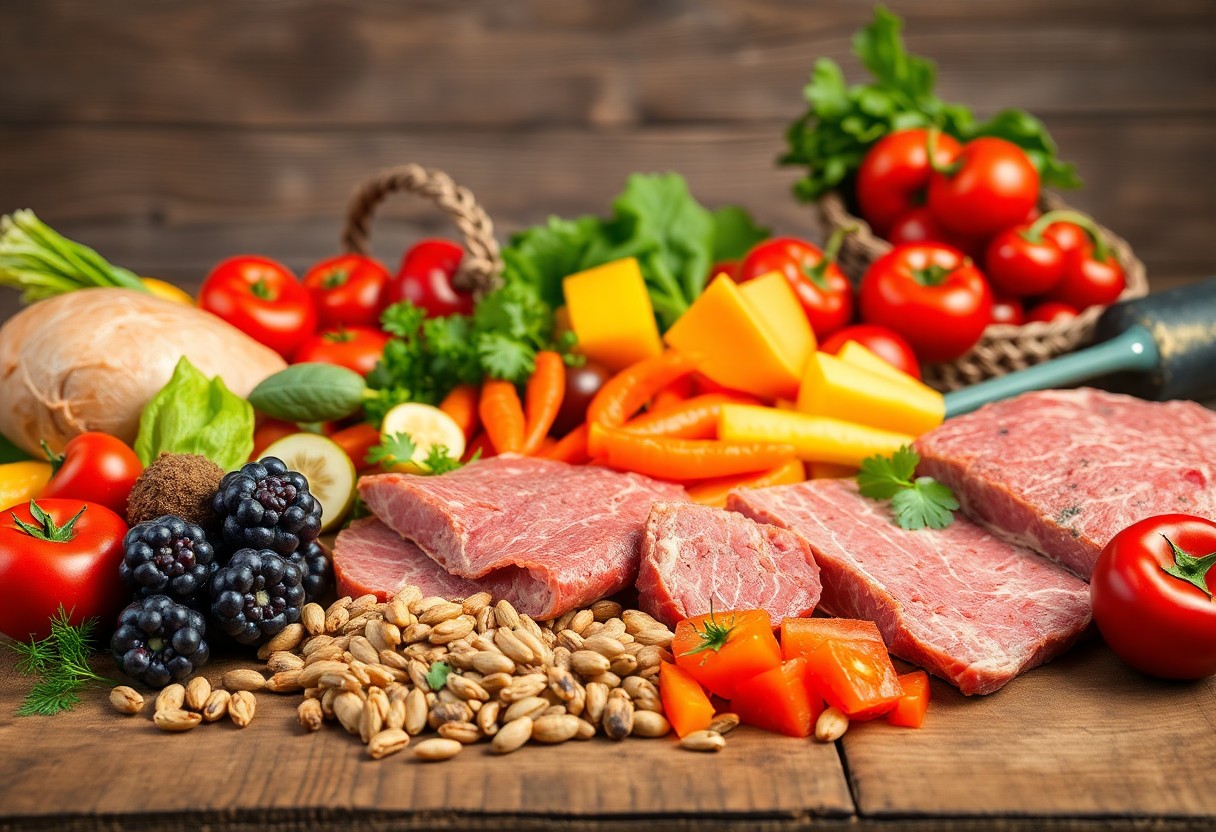
For anyone seeking to shed pounds while enjoying vibrant health, the Paleo diet offers a rich variety of whole, unprocessed foods. This way of eating prioritizes nutritious options that are low in carbs and sugar, allowing your body to utilize fat as a primary fuel source. By incorporating the following Paleo foods into your meals, you can not only promote weight loss but also increase your energy levels throughout the day.
Lean Meats and Fish
About including lean meats and fish in your meal plan can significantly impact your weight loss journey. These protein-rich foods provide imperative nutrients while helping you feel full, reducing unhealthy snacking. Moreover, lean meats, such as chicken, turkey, and grass-fed beef, along with fatty fish like salmon and mackerel, are proven to boost metabolism and facilitate muscle maintenance.
Nuts and Seeds
Below are some of the best options for enhancing your Paleo diet: almonds, walnuts, chia seeds, and flaxseeds. These foods are packed with healthy fats, protein, and fiber, all of which contribute to satiety. However, moderation is key, as these calorie-dense delights can lead to weight gain if consumed excessively.
Lean towards small portions of nuts and seeds as they contain a mix of healthy fats and proteins that can aid in hunger management while also supporting your overall health. They are perfect for a quick snack or added to salads and smoothies. The right balance helps you maintain energy without compromising your weight loss goals.
Low-Carb Vegetables
With a focus on nutrient-packed, low-carb vegetables like leafy greens, broccoli, and zucchini, you can enhance your weight loss while needing fewer calories. These vegetables are rich in vitamins and minerals, ensuring your body receives imperative nutrients that support optimal functioning.
Hence, incorporating these low-carb vegetables into your meals not only helps fill your plate with fibrous options but also keeps your caloric intake lower. This can lead to more substantial weight loss results while keeping you energized throughout the day. Aim for a variety of colors to maximize nutrient diversity in your diet.
Paleo Snacks to Keep You Energized
Not all snacks are created equal; choosing the right ones can help you stay energized throughout the day. Opting for Paleo-friendly snacks made from whole, nutrient-dense foods not only curbs cravings but also fuels your body with the right energy sources. Incorporating these snacks into your routine will keep your energy levels steady and support your weight loss journey.
Quick Nutrient-Dense Options
Any time you’re in need of a fast energy boost, look for quick nutrient-dense options that fit within your Paleo lifestyle. Consider snacks like mixed nuts, beef jerky, or sliced vegetables with guacamole. These choices are not only portable but also packed with important vitamins and minerals to keep you feeling your best.
On-the-Go Snack Ideas
Quick access to healthy snacks makes it easier for you to stick to your Paleo diet, especially when you’re busy. Whether you’re commuting, at work, or running errands, convenience is key. Stock your bag with items like hard-boiled eggs, coconut chips, or homemade energy balls. These snacks provide a quick source of nutrients and protein while supporting your energy levels throughout the day.
Paleo snacks like dried fruit and nut bars are fantastic on-the-go options. They are usually made with minimal ingredients and deliver a rich source of fiber and healthy fats. These snacks can satiate your hunger without the added sugars and preservatives found in many store-bought alternatives. Be sure to check the labels for hidden sugars and artificial ingredients to maintain the integrity of your diet. When you opt for high-quality, convenient snacks, you’re less likely to reach for unhealthy options during your busy days.
Common Mistakes to Avoid on the Paleo Diet
After committing to the Paleo diet, it’s easy to fall into common traps that can hinder your progress. Many people unknowingly make mistakes that can affect their weight loss goals and energy levels. Being aware of these pitfalls will help you to stay on track and fully benefit from all that the Paleo lifestyle has to offer.
Misunderstanding Paleo Foods
After adopting the Paleo diet, some may misinterpret what constitutes a Paleo-friendly food. Many assume that all organic or health foods are acceptable, which can lead to the inclusion of non-Paleo items. It’s imperative to know the key components of the diet, focusing on whole, unprocessed foods such as lean meats, vegetables, fruits, nuts, and seeds while avoiding grains, dairy, and processed sugars.
Failing to Plan Meals
By not planning your meals, you can easily stray from the Paleo diet and revert to unhealthy eating habits. Meal planning not only helps you make healthier food choices but also supports your weight loss objectives.
Also, failing to plan your meals can lead to impulsive eating and temptations when you’re unprepared. Take the time to create a weekly meal plan, including snacks that align with the Paleo framework. This ensures you have nutrient-dense options available, reduces food waste, and saves you money. When you pre-prepare meals, you can focus on making mindful choices that empower you on your Paleo journey.
Tips for Successfully Transitioning to Paleo
Keep your transition to a Paleo lifestyle smooth and enjoyable by following these vital tips:
- Start phased elimination of non-Paleo foods.
- Focus on whole, nutrient-dense Paleo foods.
- Experiment with new recipes to keep meals exciting.
- Stay hydrated and drink plenty of water.
- Seek support from the Paleo community.
The transition may take time, but persistence will lead to significant improvements in your health and energy levels.
Meal Planning and Preparation
To ensure you stay on track with your Paleo journey, effective meal planning and preparation are vital. Set aside time each week to create a menu filled with Paleo dishes that excite your taste buds. Organize your shopping list to include fresh produce, high-quality meats, and healthy fats to fuel your body. Preparing meals in advance can save time and help you avoid making unhealthy choices on busy days.
Staying Motivated
Preparation is key for maintaining your motivation on the Paleo journey. Establish clear goals and track your progress to see how far you’ve come. Surround yourself with a supportive community that shares similar values, and share your successes and challenges with them. Engaging with informative content, such as books and podcasts about the Paleo lifestyle, can reignite your passion and commitment.
Planning your activities and meals in advance not only keeps you organized but also instills a sense of accomplishment. Focusing on the positive aspects of your journey, such as improved energy levels and body composition, will help you stay motivated. Always be mindful of the dangerous pitfalls that can lead to cravings for non-Paleo foods, and have a strategy in place to counteract them. By prioritizing your health, you will continue to feel the remarkable benefits that the Paleo lifestyle brings.
To wrap up
To wrap up, incorporating the best Paleo foods into your diet can significantly enhance your weight loss efforts while boosting your energy levels. By focusing on nutrient-dense options like lean meats, seafood, fresh vegetables, fruits, nuts, and seeds, you can nourish your body and achieve your health goals. Emphasizing whole, unprocessed foods not only contributes to a healthy weight but also promotes overall well-being. By making these mindful choices, you’ll find yourself feeling more energized and ready to tackle your day.
FAQ
Q: What are the best protein sources for a paleo diet?
A: Some of the best protein sources include grass-fed meats, wild-caught fish, and organic poultry. Eggs from pasture-raised chickens are also an excellent option. Plant-based proteins such as nuts and seeds can be included in moderation as well.
Q: Which fruits and vegetables should I prioritize to lose weight on a paleo diet?
A: Focus on low-glycemic fruits like berries, apples, and pears, as well as a variety of non-starchy vegetables such as leafy greens, broccoli, cauliflower, and bell peppers. These options are lower in calories and packed with fiber and nutrients that can help you feel satiated and energized.
Q: Are all fats suitable for a paleo diet?
A: Not all fats are created equal, even in a paleo diet. Opt for healthy fats such as avocados, olive oil, coconut oil, and nuts. These fats can support weight loss by providing energy and promoting satiety. Avoid processed fats and trans fats found in many industrially produced foods.
Q: How important is meal timing in a paleo diet?
A: Meal timing can vary from person to person. However, paying attention to when you eat may help regulate appetite and energy levels. Many individuals find success with intermittent fasting, which can enhance weight loss while aligning with the paleo philosophy of eating whole foods when hungry.
Q: Can I eat snacks on a paleo diet if I want to feel energized?
A: Yes, snacking is allowed, but choosing nutrient-dense options is key. Great choices include vegetable sticks with guacamole, nuts and seeds, or fruits like apples with almond butter. These snacks can help maintain energy levels between meals without leading to excessive calorie intake.
Q: How do I ensure I’m getting enough nutrients while on a paleo diet?
A: A varied diet rich in different fruits, vegetables, lean proteins, and healthy fats will help you meet your nutritional needs. Including organ meats, which are often overlooked, can provide imperative vitamins and minerals. Consider consulting a nutritionist if you’re concerned about nutrient deficiencies.
Q: What should I avoid to achieve weight loss on a paleo diet?
A: It’s best to avoid processed foods, grains, legumes, dairy products, and refined sugars. These foods can negatively impact weight loss efforts and energy levels. Stick to whole, unprocessed foods as much as possible to achieve your health goals.