

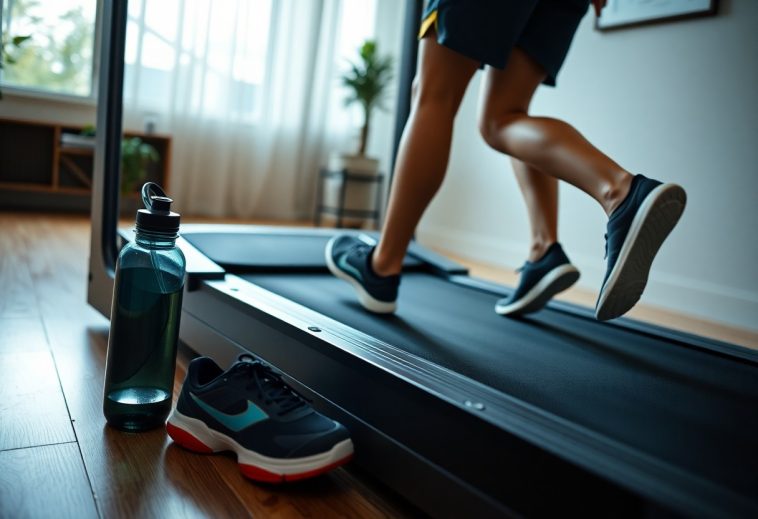
Many people underestimate the power of simple activities like walking and running in their weight loss journey. These exercises can be performed at home or in your neighborhood, making them accessible and convenient for your lifestyle. By incorporating consistent walking and running into your routine, you can effectively burn calories, boost your metabolism, and improve your overall health. This guide will provide you with practical tips and strategies to maximize your efforts in losing weight through these enjoyable forms of exercise.
Key Takeaways:
- Consistency is key to achieving weight loss through walking and running. Aim for regular sessions throughout the week.
- Intensity plays a significant role; incorporate intervals of faster walking or running to boost calorie burn.
- Duration matters; longer sessions will help create a larger calorie deficit. Aim for 30-60 minutes as a starting point.
- Variety in your routine can prevent boredom and keep you motivated—try different routes, terrains, or speeds.
- Tracking your progress—using apps or journals—can help you stay accountable and see your improvements over time.
- Warm-up and cool-down activities are imperative to prevent injuries and enhance overall performance.
- Nutritional balance complements your exercise routine; maintain a healthy diet to support your weight loss efforts.

Understanding Weight Loss
While initiateing on your weight loss journey, it’s imperative to grasp the basic principles behind it. Weight loss occurs when your body burns more calories than it consumes. This can be achieved by adjusting your diet and incorporating physical activity, such as walking and running at home. Understanding these fundamentals will empower you to make informed choices.
How Weight Loss Works
An effective weight loss strategy revolves around creating a calorie deficit, which means you need to consume fewer calories than your body expends. Engaging in consistent exercise like walking or running increases calorie burn, helping you reach your weight loss goals faster. It’s about balancing your intake with your expenditure.
Factors Influencing Weight Loss
Now, several factors can impact your weight loss journey, including:
- Metabolism: Your body’s ability to convert food into energy.
- Diet: The nutritional quality and quantity of your food intake.
- Exercise: The type, intensity, and duration of physical activities you’re involved in.
- Sleep: Poor sleep patterns can hinder your body’s regular functioning.
Assume that understanding these elements will facilitate a more effective approach to achieving your weight loss goals.
This awareness of factors influencing weight loss can help you tailor a comprehensive strategy. For example, if you focus on a balanced diet, increase your exercise routine, and prioritize sound sleep, you’ll likely see improvements. In addition to your efforts, your metabolism plays a significant role, as a faster metabolism can help burn more calories daily. Consider these aspects when designing your weight loss plan. Assume that integrating these influential factors can substantially enhance your results.
Getting Started with Walking
One of the most accessible exercises you can incorporate into your daily routine is walking. It’s a low-impact option suitable for people of all fitness levels, enabling you to lose weight effectively from the comfort of your home. Begin by setting a manageable goal, such as walking for 30 minutes a day, and gradually increase your duration and intensity as you build stamina. Consistency is key, so aim to make walking a regular part of your life.
How to Start Walking for Weight Loss
Walking for weight loss involves establishing a routine that includes brisk walks throughout the week. Start by choosing a few days to dedicate to walking, and make sure to wear comfortable shoes and clothing to support your journey. As you walk, monitor your pace and distance to track your progress, allowing you to adjust your goals as you improve.
Tips for Effective Walking
Little adjustments can significantly enhance your walking experience and maximize your weight loss results. Consider the following tips to make your walks more effective:
- Maintain a brisk pace to increase calorie burn.
- Incorporate interval training by alternating between fast and slow walking.
- Utilize proper posture to improve body mechanics and reduce the risk of injury.
Recognizing how small changes can elevate your walking sessions is vital to achieving your weight loss goals.
Weight loss through walking is all about enhancing your routine with simple strategies. Consider integrating the following techniques for better results:
- Track your steps daily with a pedometer or smartphone app.
- Walk in varying surfaces to challenge your muscles differently.
- Set goals to keep yourself motivated and accountable.
Recognizing your progress will help keep you motivated as you work towards your weight loss objectives.
Incorporating Running into Your Routine
To effectively incorporate running into your routine, start by scheduling specific days and times for your runs. Aim for at least three sessions a week, gradually increasing your distance and intensity. This will not only help you stay consistent but will also build the endurance needed for successful weight loss. Mix in various terrains such as parks, treadmills, or tracks to keep your runs engaging and to challenge your body in different ways.
How to Begin Running Safely
For beginners, it’s imperative to start with a proper warm-up and a gentle pace. Invest in a good pair of running shoes to lessen the risk of injury. Begin with short runs of 10-15 minutes and gradually extend your duration as you become accustomed to the activity. Listening to your body and allowing for rest days are also important aspects of a safe running routine.
Tips for Running to Maximize Fat Loss
Assuming you’re ready to take your running to the next level for fat loss, here are some key tips to consider:
- Add interval training to increase your calorie burn.
- Incorporate hills to challenge your muscles more effectively.
- Maintain proper form to enhance efficiency and prevent injury.
Any adjustments you make in your running routine can have a significant impact on your weight loss journey.
Running is an excellent way to boost your metabolism and promote fat loss. By including a variety of speeds and inclines in your workouts, you’ll engage different muscle groups and enhance your overall cardiovascular fitness. Focusing on a balanced diet alongside your running will further support your goals. Additionally, tracking your progress helps maintain motivation. Your commitment to these strategies is key. Any consistent effort you put into running will translate into visible results over time.
Creating a Balanced Routine
Once again, developing a balanced routine is key to effective weight loss. Aim to integrate both walking and running into your schedule to keep your workouts varied and engaging. Begin with walking to build endurance, then gradually introduce running intervals as your fitness level improves. Strive for a mix of different intensities and durations throughout the week, ensuring you listen to your body and adapt as needed to avoid burnout.
How to Combine Walking and Running
With a strategic approach, you can effectively mix walking and running to enhance your weight-loss journey. Start with walking sessions that last 20-30 minutes, then incorporate short bursts of running, perhaps 30 seconds to a minute at a time. Progressively increase these running intervals, aiming to run about 30-40% of your workout time. This combination helps improve your cardiovascular fitness while maximizing calorie burn.
Tips for Sticking to Your Routine
Creating a successful routine requires consistency and motivation. To help ensure you remain on track, consider the following strategies:
- Set specific and achievable goals for your walking and running.
- Establish a regular schedule that fits your lifestyle.
- Track your progress to see how far you’ve come.
- Find a workout buddy for added accountability.
Recognizing your achievements, no matter how small, can significantly boost your motivation.
Plus, there are several other methods to solidify your routine, making it easier to stick with it long-term. Consider joining online communities for support, using fitness apps to gamify your exercise, and planning your workouts in advance. Staying flexible and adapting your routine when life gets busy can also help prevent setbacks.
- Keep a journal to reflect on your feelings and progress.
- Reward yourself for reaching milestones.
- Stay hydrated and maintain a balanced diet to fuel your activities.
Recognizing your efforts will play a significant role in your overall success.
Nutrition and Hydration
Now, to maximize the benefits of walking and running for weight loss, it’s necessary to focus on your nutrition and hydration. A balanced diet provides the fuel necessary for your workouts, while proper hydration ensures optimal performance and recovery. Incorporating healthy foods like fruits, vegetables, whole grains, and lean proteins will support your energy levels and keep your metabolism active. Stay mindful of your hydration, especially during workouts, to enhance your overall results.
How to Fuel Your Body for Activity
Fuel your body with the right nutrients before and after your walks and runs. Consuming a mix of carbohydrates and protein will provide sustained energy. Consider including:
- Complex carbohydrates like oatmeal or brown rice
- Lean proteins such as chicken or beans
- Healthy fats from avocado or nuts
Knowing what to eat will keep your energy levels high and optimize your workouts.
Tips for Staying Hydrated
Your hydration also plays a vital role in your fitness journey. To stay adequately hydrated, consider the following tips:
- Drink water before, during, and after exercise to maintain hydration
- Monitor your body’s thirst signals
- Incorporate water-rich foods like cucumbers and watermelon
Knowing these hydration tips will help you perform better and recover faster from your workouts.
It’s necessary to properly hydrate yourself to improve your overall performance. Warm-up and cooldown periods during your workouts should be accompanied by water intake, ensuring you replace any lost fluids. Additionally, keep a water bottle handy throughout the day to sip on even when you’re not engaging in physical activity:
- Drink regularly instead of waiting until you feel thirsty
- Aim for at least 8 cups of water daily, adjusting based on your activity level
- Include electrolytes if engaging in prolonged exercise sessions
It’s important that you also pay attention to signs of dehydration that can affect your performance. Knowing this will empower you to take control of your fitness journey effectively.
Monitoring Progress
Not tracking your progress can lead to stagnation and decrease your motivation. Keeping a close eye on your achievements helps you understand what’s working and what needs adjustment in your walking or running routine. Utilize tools like apps or journals to document your distances, times, and feelings during your workouts. Regular assessments allow you to set new goals and stay committed to your weight loss journey.
How to Track Your Weight Loss Journey
Even small changes matter; set a schedule to weigh yourself weekly or bi-weekly. Use a combination of methods to monitor your weight loss and fitness gains, such as:
- Keeping a journal
- Using a mobile app
- Tracking body measurements
- Documenting your workouts
Recognizing these patterns can enhance your motivation and focus.
Tips for Staying Motivated
Even during your weight loss journey, it’s natural to hit roadblocks. To stay inspired, consider implementing strategies that resonate with you. A few options to help keep your enthusiasm alive include:
- Setting achievable goals
- Finding a workout buddy
- Rewarding yourself for milestones
- Staying flexible with your routine
Recognizing that ups and downs are part of the process will help you maintain your commitment to achieving your targets.
Journey through your weight loss process with determination and focus. You may encounter days when motivation falters, and that’s entirely normal. Building a support system—whether it’s through friends, family, or online communities—will empower you. Additionally, try new activities, like exploring different routes for walking or running, to keep your fitness routine fresh and enjoyable. Your dedication will ultimately yield positive results.
Summing up
Drawing together the strategies discussed, using walking and running at home can be a highly effective way for you to lose weight. By incorporating regular sessions into your routine, varying your speed, and tracking your progress, you can stay motivated and see results. Ensure you set achievable goals and complement your workouts with a balanced diet. This holistic approach will help you achieve your weight loss objectives, improve your overall health, and boost your confidence.
FAQ
Q: Can I lose weight by just walking at home?
A: Yes, walking can be an effective way to lose weight. Even without going to a gym or outdoors, you can incorporate walking at home. Walking at a brisk pace for at least 30 minutes a day can increase your heart rate and burn calories, contributing to weight loss over time. You can also try walking in place, using a treadmill, or following along with walking workout videos.
Q: How does running at home differ from walking for weight loss?
A: Running generally burns more calories compared to walking due to its higher intensity. If you can run for short intervals while at home, it can significantly enhance your calorie burn. This can lead to faster weight loss results. However, it’s important to gradually increase your running duration and intensity to avoid injury.
Q: What is the best time of day to walk or run for weight loss?
A: The best time to walk or run is when it fits into your schedule and when you feel most energetic. Some people prefer morning workouts to kickstart their day, while others may find evenings more convenient. Consistency in your chosen times is key, as regular physical activity leads to better long-term results.
Q: How can I make walking or running at home more effective?
A: To enhance your walking or running workouts, you can incorporate intervals, where you alternate between periods of walking or running at different intensities. Adding resistance by using ankle weights or jogging in place with a high knee lift can also increase calorie expenditure. Additionally, monitoring your heart rate and ensuring it stays in an effective range for fat burning can be beneficial.
Q: How long should I walk or run each session for weight loss?
A: For effective weight loss, aim for at least 150 minutes of moderate-intensity exercise, like brisk walking, or 75 minutes of vigorous-intensity exercise, like running, each week. This can be broken down into shorter sessions, such as 30 minutes a day, five days a week. Gradually increase the duration as your fitness improves.
Q: Should I follow a specific diet while walking or running to lose weight?
A: While physical activity is vital for weight loss, pairing it with a balanced diet can maximize your results. Focus on consuming a variety of whole foods, such as fruits, vegetables, lean proteins, and whole grains. Monitoring portion sizes and staying hydrated are also important for achieving your weight loss goals.
Q: Can I lose weight if I have limited space at home to walk or run?
A: Yes, limited space doesn’t prevent you from losing weight through walking or running. You can walk in place, use a small area for short sprints, or follow walking or running videos designed for small spaces. Additionally, trying aerobic exercises or fitness workouts can keep you active even in confined environments.