

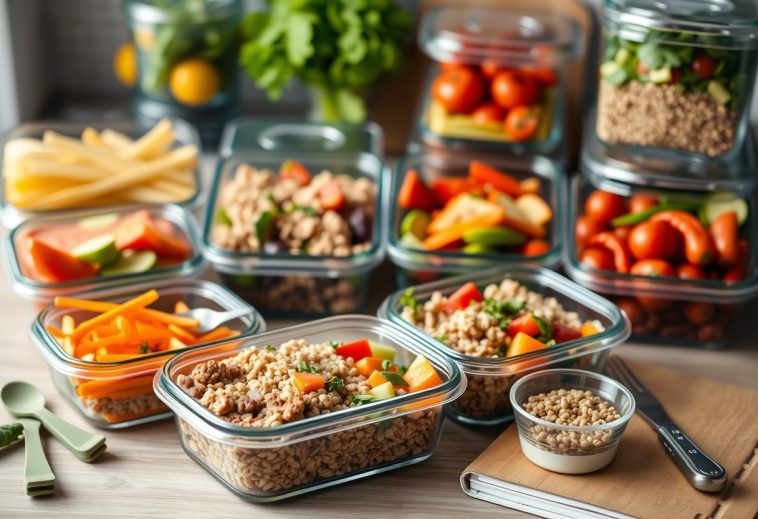
With meal prep, you can streamline your weight loss journey while ensuring you maintain a balanced diet. By planning and preparing your meals in advance, you not only save time during your busy week but also have greater control over your portion sizes and nutritional intake. This approach helps you avoid the pitfalls of unhealthy takeout and mindless snacking, empowering you to make healthier choices that support your fitness goals. Discover how to effectively implement meal prep techniques that will benefit your body and lifestyle.
Key Takeaways:
- Plan Ahead: Create a weekly meal plan to ensure a variety of nutrients while managing your caloric intake.
- Portion Control: Use portioned containers to help manage serving sizes and avoid overeating.
- Balanced Meals: Incorporate all food groups—proteins, carbohydrates, and healthy fats—to maintain nutritional balance.
- Batch Cooking: Prepare larger quantities of healthy meals to save time and energy throughout the week.
- Healthy Snacks: Include pre-portioned snacks to keep you satisfied between meals and reduce cravings.
- Stay Flexible: Allow for adjustments in your meal prep to account for changes in schedule or cravings without derailing your goals.
- Monitor Progress: Keep track of your meals and adjust your prep strategies as needed to ensure continued success in weight loss and health.
The Basics of Meal Prep
Before submerging into the specifics of meal prep, it’s crucial to understand its core principles and how it can be tailored to fit your weight loss journey while keeping your diet balanced.
Understanding Meal Prep
With meal prep, you create and plan your meals in advance, allowing you to streamline your eating habits and avoid the pitfalls of last-minute food choices. This method can incorporate everything from batch cooking to portioning out individual meals, ensuring that you stay organized and in control of what you’re consuming.
Benefits of Meal Prep for Weight Loss
With meal prep, you significantly reduce the likelihood of making unhealthy food choices. By preparing meals ahead of time, you can structure your diet around your weight loss goals, making it easier to track your calorie intake and nutritional content.
Plus, meal prepping eliminates the chances of impulse eating, which often leads to unhealthy snacking or fast food options. Planning your meals encourages you to include a variety of nutrient-dense foods, enhancing your overall nutrition and supporting your weight loss efforts. Studies have shown that individuals who engage in consistent meal prep are more likely to achieve their weight loss goals, maintaining a healthy calorie deficit while also enjoying a variety of flavors and textures.
Nutritional Balance in Meal Preparation
Balance is key when it comes to meal prepping; you want to ensure your meals are not only delicious but also provide the right mix of proteins, fats, and carbohydrates. This approach helps you meet your nutritional needs while keeping your weight loss goals in sight.
Prep meals that include a diverse array of ingredients, focusing on incorporating lean proteins, whole grains, and plenty of fruits and vegetables. Understanding the importance of portion sizes is equally critical, as large servings can sabotage your calorie goals. By keeping the nutritional balance in mind, you ensure that your meal prep not only aids in weight loss but also fosters a sustainable and enjoyable eating routine.
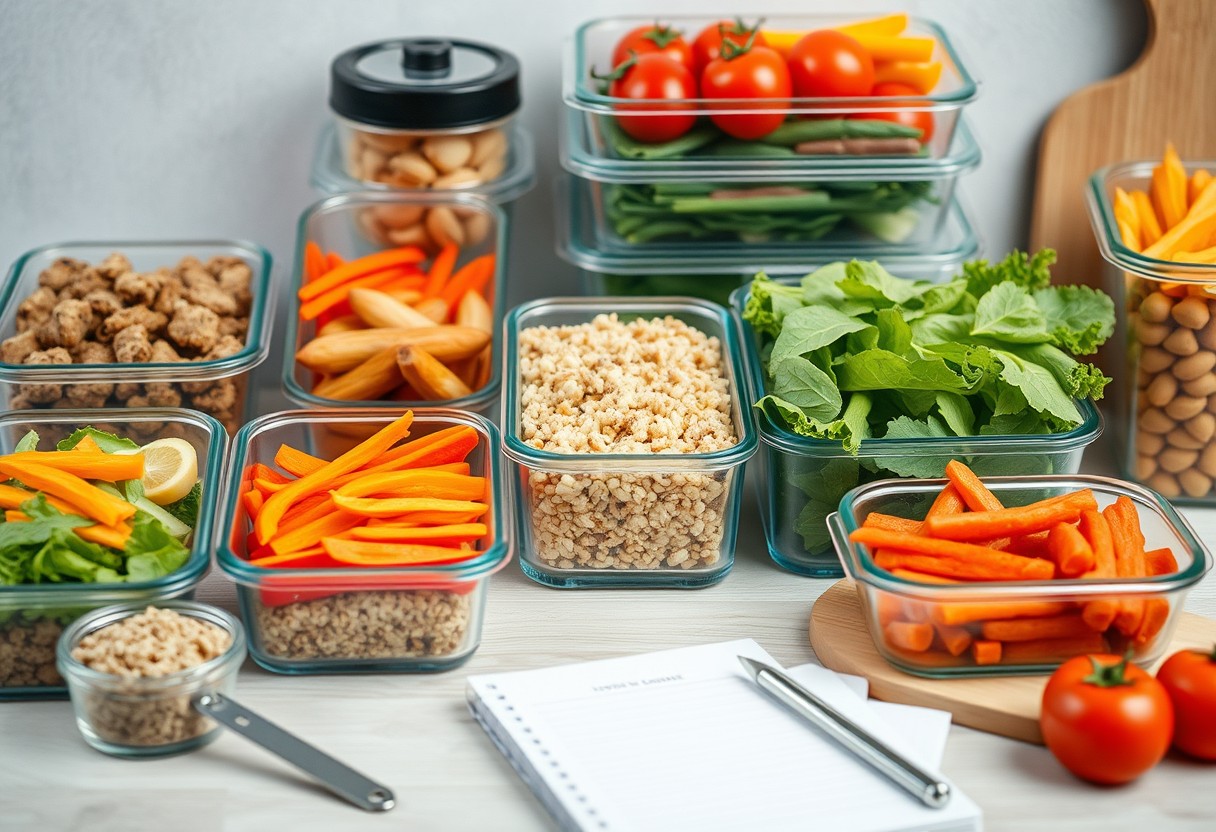
Planning Your Meals
Little adjustments in your weekly routine can lead to significant improvements in your overall health and weight management. By effectively planning your meals, you set the groundwork for successful meal prep that not only aids in weight loss but also ensures that you maintain a balanced diet.
Assessing Your Dietary Needs
To determine what dietary choices are best for you, start by assessing your individual needs based on factors such as your age, gender, activity level, and any specific health goals. This assessment will help you identify the right calorie intake and macronutrient ratios that support your weight loss while ensuring you get vital nutrients.
Creating a Balanced Meal Plan
Your meal plan should include a variety of foods that satisfy your nutritional requirements while also being enjoyable. Strive for a balance of proteins, carbohydrates, and healthy fats, and aim to incorporate a wide range of colorful fruits and vegetables. This variety not only enhances flavor but also provides a spectrum of vitamins and minerals vital for your body’s functions.
Planning your meals in advance allows you to stay accountable and make healthier choices. Aiming for at least five servings of fruits and vegetables per day, alongside lean proteins and whole grains, will help you maintain balance and avoid excess sugar and unhealthy fats that can derail your weight loss journey. Remember to include meal options that you genuinely enjoy—this increases the chances of sticking to your plan.
Choosing the Right Ingredients
Ingredients play a crucial role in your meal prep success. Focus on whole, unprocessed foods while avoiding items high in sugars, unhealthy fats, and artificial additives. Diligently choosing your ingredients will help you control calorie intake without sacrificing flavor or satisfaction.
Choosing fresh produce, whole grains, and lean proteins will not only revolutionize your meals but also support your overall health. Consider stocking your kitchen with items like quinoa, legumes, and seasonal vegetables, as they are nutrient-rich and versatile. Also, be mindful of portion sizes to prevent overeating, as even healthy foods can contribute to weight gain if consumed in excess. Following these guidelines enables you to prep meals effectively and enhances your road to weight loss.
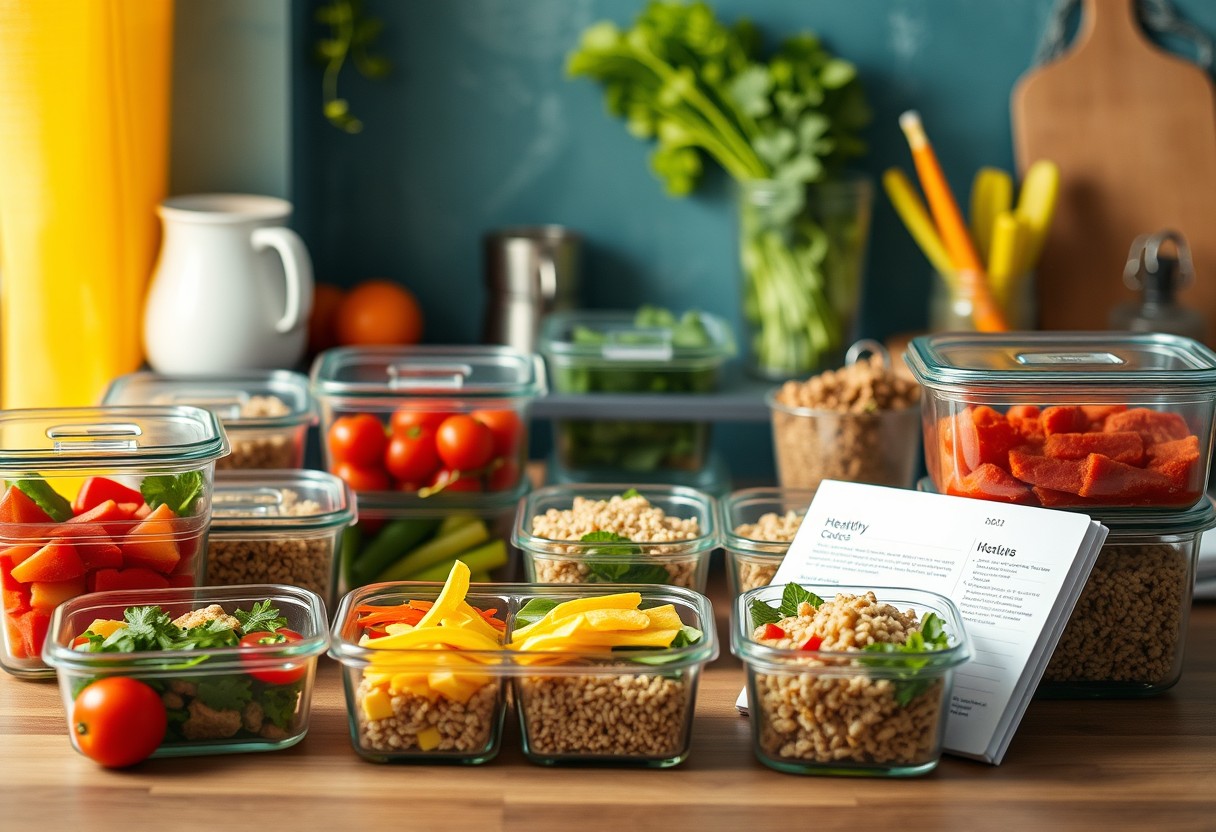
Meal Prep Techniques
Once again, mastering meal prep can significantly aid in your weight loss journey while ensuring you maintain a balanced diet. By employing effective meal prep techniques, you can streamline your cooking process, avoid unhealthy food choices, and save time during the week.
Batch Cooking vs. Portion Control
An important aspect of meal prep is understanding the difference between batch cooking and portion control. Batch cooking allows you to prepare large quantities of meals at once, which saves time and energy. However, portion control ensures that you’re not overeating, as it involves dividing those meals into appropriately sized servings, helping you manage your caloric intake more effectively.
Essential Kitchen Tools for Meal Prep
One of the keys to successful meal prepping is having the right kitchen tools. Investing in vital items like sharp knives, cutting boards, food processors, and slow cookers can make your prep process much more efficient, saving you both time and frustration.
Meal prepping becomes a breeze with the right tools in your kitchen. Mixing bowls, measuring cups, and storage containers are vital for organizing ingredients and meals. Consider using clear containers to easily see your meals, and opt for those that are microwave-safe for reheating convenience. Investing in a good food scale can also help you adhere to portion control, ensuring that each meal is the right size for your dietary needs.
Smart Storage Solutions
Tools that enhance your meal prep experience also include smart storage solutions. Properly storing your prepped meals not only helps maintain freshness but also saves space in your fridge and freezer.
A well-organized kitchen can elevate your meal prep to another level. Use clear containers for visibility, and label everything with dates to avoid waste. Stackable containers can save space while keeping your meals accessible. Additionally, consider using vacuum seal bags for items you plan to freeze, as they can **prolong freshness** and prevent freezer burn. Keeping your meal prep organized increases efficiency and enhances your commitment to a balanced diet.
Types of Meals to Prepare
For an effective meal prep strategy that supports your **weight loss** goals while ensuring convenience and a **balanced diet**, it’s imperative to categorize your meals. The following table outlines various meal types you can focus on when planning your weekly menu:
| Meal Type | Examples |
|---|---|
| Breakfast | Overnight oats, smoothie packs |
| Lunch | Grain bowls, salads with lean protein |
| Dinner | Stir-fries, baked proteins with veggies |
| Snacks | Veggies with hummus, nut mixes |
| Desserts | Greek yogurt parfaits, fruit salads |
After identifying the types of meals, you can prepare each category to help streamline your meal planning process.
Breakfast Options
For a nourishing start to your day, consider prepped breakfast options that are both quick and fulfilling. Items like **overnight oats** or **egg muffins** are terrific choices that can easily be made in batches. These options provide a solid foundation of nutrients, which can support your **weight loss** journey while keeping you energized throughout the morning.
Lunch and Dinner Ideas
Prepare satisfying and healthy lunch and dinner meals that you can easily grab on busy days. Options such as **grain bowls** packed with quinoa, lean proteins, and a variety of colorful vegetables not only epitomize a well-rounded meal but can also enhance your weight goals.
It’s crucial to ensure your lunch and dinner ideas focus on **lean proteins**, healthy fats, and plenty of vegetables. By incorporating items like grilled chicken, baked salmon, or tofu into your meals, you can create a balanced dish that is both tasty and beneficial for your **overall health**. Moreover, packing your meals in portion-sized containers can help you control your servings and prevent overeating, all of which are fundamental for effective meal prepping.
Healthy Snacks and Desserts
On your meal prep journey, don’t forget to include healthy snacks and desserts that can satisfy your cravings without derailing your progress. Options such as **veggies with hummus** or **Greek yogurt parfaits** are not only delicious but also nutrient-dense alternatives that keep you feeling full and satisfied.
Breakfast plays an imperative role in setting the tone for your entire day. By incorporating options like **smoothie packs** or homemade **breakfast burritos**, you’ll ensure that you start your mornings off right with nutritious choices that support both your **energy levels** and your **weight loss efforts**. Prioritizing these meals can help maintain your momentum and make healthy eating a sustainable part of your lifestyle.
Timing and Frequency
Unlike many believe, meal prep can significantly affect not only your convenience but also your weight loss journey. By strategically planning when and how often to prepare meals, you can maintain a balanced diet while effortlessly sticking to your health goals.
How Often to Meal Prep
On average, you might find it beneficial to meal prep once a week, setting aside a couple of hours to prepare your meals for the upcoming days. This allows you to control portion sizes, incorporate a variety of nutrients, and avoid impulsive eating.
Tips for Efficient Meal Prep Sessions
Meal prep can be made more efficient with a little organization. Here are some practical tips to streamline your sessions:
- Plan Ahead: Decide on meals for the week before shopping.
- Batch Cook: Prepare large quantities of grains, proteins, and veggies.
- Use Versatile Ingredients: Incorporate elements that can be used in multiple meals.
Perceiving efficiency in your meal prep can save not only time but also help reduce food waste and unnecessary spending.
Additionally, you can enhance your meal prep experience by using containers that keep your meals fresh and easy to transport. Investing in quality kitchen tools and appliances can also make a significant difference. Quick and easy prep stations allow you to focus on your cooking without interruptions, ensuring your meals are not only balanced but also enjoyable.
- Invest in Containers: Choose glass or BPA-free plastic for sustainability.
- Use a Sharp Knife: Efficient cutting speeds up the process.
- Prepare Snacks: Include healthy snacks to curb cravings.
Perceiving the importance of efficiency will transform meal prep from a chore into a rewarding aspect of your weight loss journey.
Timing Your Meals for Optimal Weight Loss
To maximize your weight loss efforts, be mindful of when you eat your meals throughout the day. Spacing your meals every 3-4 hours can help maintain your metabolism and keep your energy levels stable.
Tips for timing your meals include sticking to a consistent schedule, ensuring that you eat a balanced mix of macronutrients at each meal, and being attentive to your hunger cues. Engaging in intermittent fasting could be effective for some, but remember to focus on the quality of your meals rather than strictly on the timing. This helps avoid the dreaded afternoon slump and keeps you satiated throughout the day. Also, make sure to hydrate by drinking plenty of water.
Overcoming Common Challenges
After you start meal prepping, you may encounter some common challenges that could jeopardize your weight loss goals and the maintenance of a balanced diet. By recognizing these hurdles early on and employing effective strategies, you can stay on track and make meal prep a seamless part of your routine.
Staying Motivated to Meal Prep
Common obstacles to staying motivated include a lack of variety and the time commitment that meal prep seems to require. To combat these feelings, set realistic goals and remind yourself of the benefits: saving time, money, and ensuring you have healthy options readily available. A good approach is to involve friends or family in your prep sessions, making it a more enjoyable and social experience.
Dealing with Food Boredom
For many, food boredom can derail healthy eating habits. You might find that eating the same meals can lead to a lack of enthusiasm about your meal prep routine. However, you can implement changes to spice up your meals and keep your palate excited.
Understanding that food boredom is a common issue allows you to plan for it. Consider experimenting with different spices, marinades, and cooking methods to enhance flavors. You can also create themed meal prep weeks, such as “Mediterranean Week” or “Bowl Week,” which encourages variety while still aligning with your weight loss and dietary goals. Additionally, including seasonal ingredients can both diversify your meals and support a balanced diet.
Adjusting Meal Prep for Social Events
Prep for social events by planning meals that are flexible and can easily incorporate your nutritional goals without sacrificing the enjoyment of socializing. Being mindful of your choices during social occasions will help maintain your weight loss focus.
Dealing with social events can be tricky when trying to stick to your meal prep routine. One effective strategy is to practice portion control and prepare dishes that can complement your meal prep. Bringing a healthy dish to share can not only help you stay on track but also make it easier for you to resist high-calorie options. Bear in mind, looking ahead at your social calendar and strategically planning your meals around events can keep your dietary goals intact. Embrace the challenge of balancing social engagements with your weight loss efforts to foster a healthier lifestyle.
Summing up
To wrap up, utilizing meal prep can significantly aid you in achieving weight loss goals while ensuring a balanced diet. By planning and preparing your meals in advance, you can control portion sizes, select nutritious ingredients, and minimize the temptation of unhealthy snacks. Incorporate a variety of foods to get necessary nutrients, and experiment with different recipes to keep your menu exciting. With consistency and organization, meal prep becomes a powerful tool for convenience and healthier eating habits, making it easier for you to stay on track with your health objectives.
FAQ
Q: What is meal prepping and how can it help with weight loss?
A: Meal prepping involves preparing and portioning meals in advance to save time and ensure you have healthy options readily available. It helps with weight loss by allowing you to control portion sizes, reduce the temptation to eat unhealthy foods, and maintain a balanced diet by planning nutritious meals ahead of time.
Q: How can I ensure my meal prep remains balanced and nutritious?
A: To maintain a balanced diet while meal prepping, focus on including a variety of food groups in your meals. Incorporate lean proteins (like chicken, fish, or legumes), whole grains (such as quinoa or brown rice), healthy fats (like nuts or avocados), and plenty of fruits and vegetables. Aim for colorful and diverse ingredients to ensure you’re getting a wide range of nutrients.
Q: How can I make meal prep more convenient in a busy lifestyle?
A: To make meal prep more convenient, allocate one day a week to cook and assemble meals, such as Sundays. Use time-saving tools, such as slow cookers or instant pots, and batch cook large amounts of food that can be easily reheated. Additionally, consider using pre-chopped vegetables and pre-marinated proteins to cut down on prep time.
Q: How do I avoid meal prep fatigue and keep it interesting?
A: To avoid meal prep fatigue, switch up your recipes regularly by trying new ingredients or cuisines. Incorporate theme nights (like taco Tuesday or stir-fry night) to keep things exciting. You can also experiment with different cooking methods, such as grilling, roasting, or steaming, to create variety in flavors and textures.
Q: How long can meal-prepped food last in the fridge or freezer?
A: Generally, meal-prepped food can last in the fridge for 3-4 days and can be frozen for 2-6 months, depending on the type of food. Foods like cooked grains and beans freeze well, while raw vegetables may lose texture. Always ensure to store food in airtight containers to maximize freshness and prevent spoilage.
Q: What should I do if I struggle with portion control while meal prepping?
A: If portion control is a challenge, use measuring cups or a food scale to prepare accurate serving sizes when meal prepping. You can also use smaller containers to help regulate portion sizes visually. Additionally, when putting meals together, aim to fill half your plate with vegetables to help control calorie intake while maximizing satiety.
Q: Can meal prepping fit into different dietary preferences, such as vegetarian or vegan diets?
A: Absolutely! Meal prepping can easily accommodate various dietary preferences, including vegetarian and vegan diets. Incorporate plant-based proteins such as beans, lentils, tofu, and tempeh, along with a variety of fruits, vegetables, whole grains, and nuts or seeds to create balanced and satisfying meals that align with your dietary needs.